How to Store Coffee Beans: A Practical Guide for Home Cooks

To store coffee beans properly, keep them in an airtight, opaque container at room temperature, away from light, heat, and moisture. Buy only as much as you will use within a few weeks, and grind just before brewing. That combination protects the volatile oils and aromas that make coffee taste fresh.
I based this guide on manufacturer specifications, care instructions, and published guidance such as USDA food safety recommendations. Coffee is a dry pantry item, so the main enemies are oxygen, light, heat, and humidity, not bacteria. The goal is to slow the staling process while keeping the beans convenient to scoop and reseal every day.
The Short Answer: Airtight, Opaque, Cool, and Dry
The single most important step is to limit oxygen exposure. Once a bag of roasted beans is opened, the clock starts ticking faster. An airtight container with a good seal slows the exchange of air and helps hold in the carbon dioxide and aromatic compounds that give coffee its flavor.
Choose an opaque container or store a clear one in a dark cabinet. Light breaks down the oils in roasted beans and can make them taste flat or papery. A ceramic canister, a tinted glass jar with a tight gasket, or a stainless steel container all work well as long as the lid seals properly.
Keep the container in a cool, dry spot. A pantry shelf away from the stove, dishwasher, and sunny windowsill is ideal. Heat accelerates staling, and steam from cooking can condense on the beans or the inside of the lid. Do not store beans in the refrigerator: it is humid, and the beans can pick up odors from other foods.
- Airtight seal to limit oxygen
- Opaque material or a dark storage spot
- Cool, stable temperature away from appliances
- Dry environment with no steam or condensation
Container Choices and What Each One Is Good for
The right container depends on how fast you go through beans and how much you care about convenience. I compare materials, seals, and features in my roundup of coffee bean storage containers, but here is the practical breakdown.
| Container type | Best for | Trade-offs |
|---|---|---|
| Ceramic canister with gasket | Countertop storage in a dark kitchen | Can be heavy; check that the lid seals |
| Tinted glass jar | Visual appeal with light protection | Glass can break; gasket quality varies |
| Stainless steel canister | Durability and light blocking | Can feel cold; some have narrow openings |
| Single dose tubes | Pre measuring daily brews | More handling; not ideal for bulk |
| Original bag with clip | Short term storage | Not fully airtight; light can get in |
If you brew one or two cups a day and like to weigh doses ahead of time, single dose tubes can reduce how often you open the main container. That is a convenience choice, not a requirement. For most home cooks, one good airtight canister plus the original bag for the rest of the supply is enough.
Skip expensive features you will not use. A built in scoop or a one way valve is nice, but the seal matters more. Avoid decorative jars with loose fitting lids, and do not store beans in a container that previously held spices or strongly scented foods unless it has been thoroughly washed and dried.
How Long Beans Stay Fresh and When to Buy Less
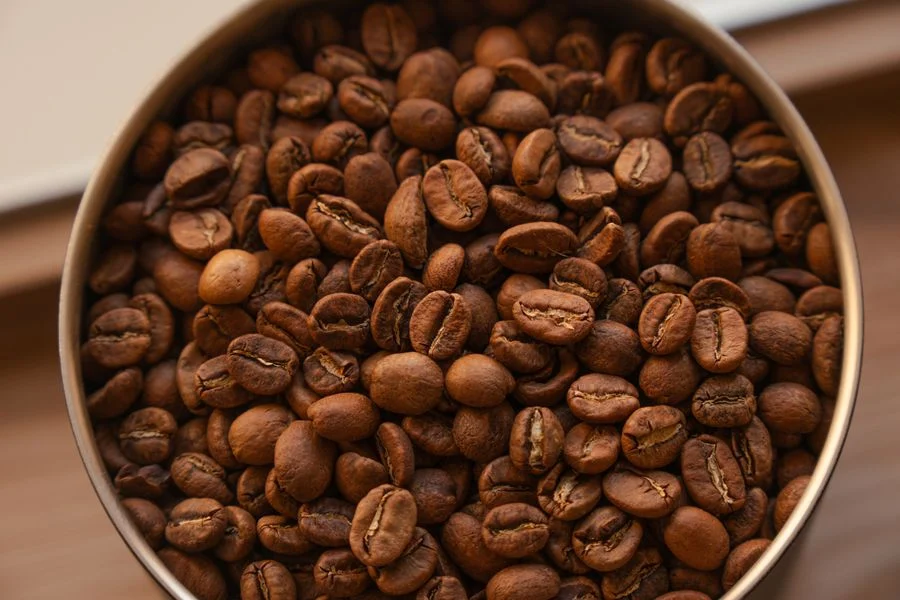
Roasted coffee is best within a few weeks of the roast date. Whole beans hold up longer than ground coffee because there is less surface area exposed to air. Once ground, coffee stales within days, which is why grinding just before brewing makes such a noticeable difference.
For pantry storage, follow USDA food safety guidance for dry goods and keep the container clean and dry. Coffee is not a high moisture food, but mold can grow if beans get damp. If you see clumping, condensation, or a musty smell, discard the beans. For safe storage times and temperatures, check current USDA guidance rather than relying on a fixed rule.
A practical approach is to buy a supply that matches your brewing pace. If you drink one pot a day, a one pound bag may last a couple of weeks. If you brew occasionally, buy smaller bags or split a large bag into smaller airtight portions. The most common mistake is buying a large bag for the value and then storing it in the freezer door, where temperature swings do the most damage.
Freezing, Refrigeration, and Other Edge Cases
Freezing whole beans can extend freshness if you do it carefully. Keep the freezer at 0 °F or below, and use an airtight container or a well sealed bag. Let the beans come to room temperature before opening the container so condensation forms on the outside rather than on the beans. Thaw only what you will use soon, and do not refreeze repeatedly.
The refrigerator is the wrong place for daily beans. It is humid, and the constant opening and closing brings warm air and odors. If you live in a very hot, humid climate without air conditioning, a sealed container in the coolest dark cabinet is still better than the fridge for beans you will use within a few weeks.
Green beans are a different case. They store longer and prefer cool, dry, dark conditions, and they should not be frozen unless the supplier says so. If you are exploring home roasting, my roundups of home coffee roasters for green bean enthusiasts and green coffee beans for home roasting cover the equipment and sourcing side. For green beans, follow the supplier's storage instructions and keep them dry.
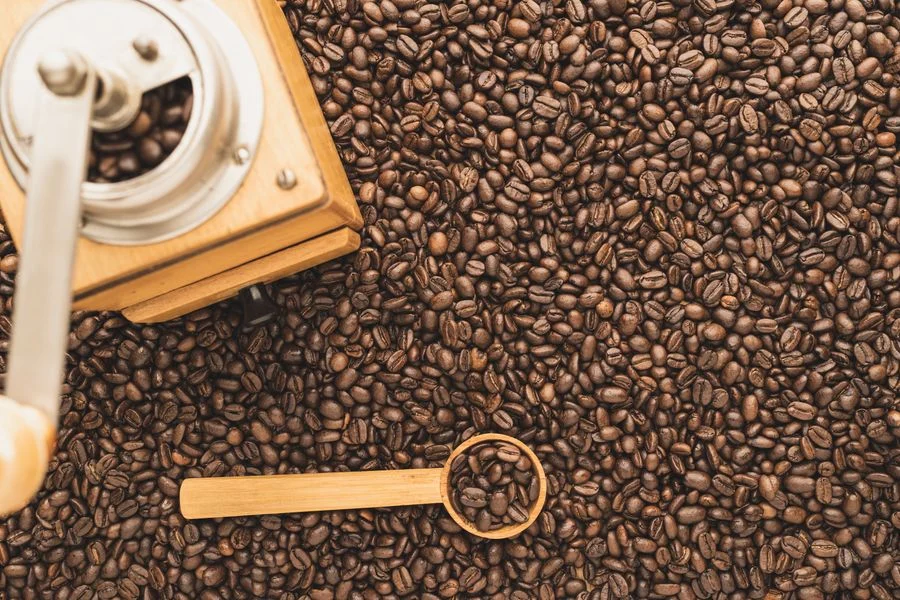
Another edge case is the grinder hopper. Many home cooks fill the hopper once a week. That is convenient, but the hopper is not airtight. If you want peak flavor, keep most of the beans in the sealed container and add only a few days worth to the hopper. A coffee bean slow feeder for grinders can help with flow and dosing, but it does not replace an airtight main container.
Common Mistakes and a Simple Daily Routine
The most common mistakes are easy to fix. Storing beans in the fridge, leaving the bag open on the counter, keeping beans in a clear jar in direct sun, and buying more than you can drink are all avoidable. Another frequent error is transferring beans to a container while they are still warm from roasting or from a hot car, which traps moisture and heat.
- Keep the main supply in an airtight, opaque container in a cool, dark cabinet.
- Leave the beans whole and grind just before brewing.
- Scoop what you need quickly and reseal the lid fully.
- Use the oldest beans first and note the roast date on the container.
- For long storage, freeze whole beans in small airtight portions and thaw completely before opening.
Check the container seal every few weeks and wash the canister when you refill it. Make sure it is completely dry before adding new beans. Use containers only within the temperature range the manufacturer states, and keep the refrigerator at 40 °F or below and the freezer at 0 °F if you use either for storage. A simple routine like this takes less than a minute a day and protects the flavor you paid for.
Frequently Asked Questions
Should I store coffee beans in the fridge or freezer?
The refrigerator is not a good choice for daily beans because it is humid and can transfer food odors. The freezer can work for longer storage if you use an airtight container, keep the freezer at 0 °F or below, and thaw the beans fully before opening. Freeze whole beans in small portions and avoid refreezing.
How long do roasted coffee beans stay fresh in an airtight container?
Whole roasted beans are best within a few weeks of the roast date, and they decline faster once the bag is opened. An airtight, opaque container slows the process but does not stop it. For safe storage times and temperatures, check current USDA food safety guidance.
Can I store coffee beans in the original bag?
Yes, for short term storage. Many coffee bags have a one way valve and a resealable top, but they are not fully airtight once opened and they let in light. For longer storage, move the beans to an airtight, opaque container or freeze them in well sealed portions.
What are the most common coffee bean storage mistakes?
Common mistakes include keeping beans in the refrigerator, leaving the bag open, using a clear jar in sunlight, and buying more beans than you can drink in a few weeks. Another mistake is sealing beans while they are still warm, which traps heat and moisture. Store whole beans in an airtight, opaque container in a cool, dark spot.
Final Thoughts
Good coffee storage is mostly about removing the four enemies: oxygen, light, heat, and moisture. An airtight, opaque container in a cool, dark cabinet handles most of that, and buying a supply that matches your brewing pace keeps the rest fresh. If you need longer storage, freezing whole beans in small airtight portions is a practical option.
You do not need a shelf full of gadgets. Start with one reliable container, leave the beans whole, and grind just before brewing. That simple habit will do more for flavor than any decorative jar or extra accessory.