How to Clean a Cast Iron Skillet the Right Way

To clean a cast iron skillet, scrape off food residue with a stiff brush or scraper under warm running water, then dry the pan completely on the stovetop over low heat and apply a thin layer of cooking oil. Avoid soaking the pan, harsh detergents, and cold water on a hot skillet. I based this guide on manufacturer specifications, care instructions, and published guidance such as USDA food safety recommendations.
Cast iron rewards a little patience. A well cared for skillet builds a slick seasoning layer that makes future cleaning easier, and the steps below walk through daily cleaning, stuck on messes, and long term storage. I will also cover the most common mistakes and when a pan is genuinely past saving.
What You Need to Clean a Cast Iron Skillet
You do not need a drawer full of specialty products. A few basic tools handle almost every cleaning job, and most of them are already in a typical kitchen. Gather these before you start so the pan does not sit wet while you hunt for a brush.
- Stiff bristle brush or nylon scraper: for lifting food without stripping seasoning. Avoid metal scouring pads on a seasoned pan unless you plan to reseason.
- Warm water and a mild dish soap: a small amount of soap is fine for modern seasoned cast iron. Harsh detergents and long soaks are the real problem.
- Clean lint free cloth or paper towels: for drying and for applying oil.
- Neutral cooking oil: a thin coat after cleaning protects the surface. Check the manufacturer care instructions for recommended oils.
- Oven mitts: handles get very hot during stovetop drying and oven seasoning.
- Coarse salt: an optional helper for stuck on residue.
If you are still shopping for a pan, my roundup of cast iron skillets covers sizes and finishes, and the care instructions that come with each pan are the first place to check for cleaning limits. Enameled cast iron is a different material with its own rules, so confirm which type you own before scrubbing.
How to Clean a Cast Iron Skillet Step by Step
These steps work for a routine cleaning after cooking. Move through them in order and the pan stays protected. For heavy stuck on food, see the next section before you reach for anything abrasive.
- Let the pan cool slightly: do not plunge a screaming hot skillet into cold water. A sudden temperature change can warp the pan or crack the seasoning. Let it rest until it is warm but still easy to handle, using oven mitts on the handle.
- Scrape off loose food: hold the pan over the sink and use a stiff brush or nylon scraper to push residue toward the drain. Warm running water helps lift stuck bits.
- Add a drop of mild soap if needed: for greasy residue, a small amount of dish soap is acceptable on seasoned cast iron. Scrub gently with the brush and rinse well.
- Dry the pan completely: wipe it with a clean cloth, then set it on the stovetop over low heat for a few minutes to drive off remaining moisture. Do not walk away while it heats.
- Apply a thin oil coat: while the pan is still warm, rub a few drops of neutral oil over the cooking surface with a paper towel. Wipe out any excess so the surface looks satin, not wet.
- Store it dry: keep the pan in a dry spot. If you stack pans, place a paper towel between them to protect the cooking surface.
For a steak seared at high heat, the pan may need a little more attention to the edges where fat collects. My roundup of cast iron skillets for steaks notes which pans handle high heat well, and the manufacturer manual for your pan is the authority on oven safe limits and heat settings.
How to Remove Stuck on Food from Cast Iron
Burned on residue happens to everyone. The goal is to loosen it without grinding away the seasoning. Start with the gentlest method and work up only if the mess resists.
Gentle Methods First
- Warm water soak, short and shallow: add a small amount of warm water to the cooled pan and let it sit for a few minutes. Do not fill the pan and leave it overnight.
- Coarse salt scrub: sprinkle coarse salt over the stuck area and scrub with a brush or a folded cloth. Salt acts as a mild abrasive without the bite of steel wool.
- Boiling water loosen: set the pan on the stovetop, add a cup or two of water, and bring it to a gentle simmer for a few minutes. Use oven mitts and keep the handle clear of the flame.
If those steps fail, a dedicated cast iron scraper or a chainmail scrubber can lift stubborn bits. Check the manufacturer care instructions before using any metal tool, because some finishes scratch easily. After any deep cleaning, dry the pan fully and reapply a thin oil coat.
| Situation | First approach | What to avoid |
|---|---|---|
| Light grease after cooking | Warm water, stiff brush, small amount of soap | Soaking overnight |
| Stuck on starch or sugar | Short warm water soak, then salt scrub | Metal scouring pads on seasoned surfaces |
| Burned on protein | Gentle simmer with water, then scraper | Cold water on a hot pan |
| Rust spots | Scrub with salt or fine steel wool, dry, oil | Storing the pan damp |
Common Mistakes to Avoid
The most common mistakes are easy to fix once you know them. Most damage to cast iron comes from water and heat swings, not from cooking. A little care at the sink prevents most problems.
- Soaking the pan in the sink: prolonged soaking softens seasoning and invites rust. Clean promptly and dry right away.
- Using cold water on a hot skillet: thermal shock can warp or crack the pan. Let it cool first and use oven mitts on hot handles.
- Skipping the dry step: air drying leaves moisture in the iron pores. A few minutes on low heat is the reliable fix.
- Scrubbing with harsh abrasives: steel wool and heavy scouring pads can strip seasoning. Reserve them for rust repair, then reseason.
- Storing with a wet surface: always oil lightly and keep the pan in a dry cabinet.
- Assuming dishwasher safe: most bare cast iron is not dishwasher safe. Check the manufacturer listing or manual for your specific pan.
If your pan lives on a glass top range, check the cooktop compatibility notes in the manufacturer manual and my roundup of cast iron skillets for glass top stove before you set a heavy pan down. Smooth bottoms and careful handling matter on glass.
When to Reseason or Replace a Cast Iron Skillet
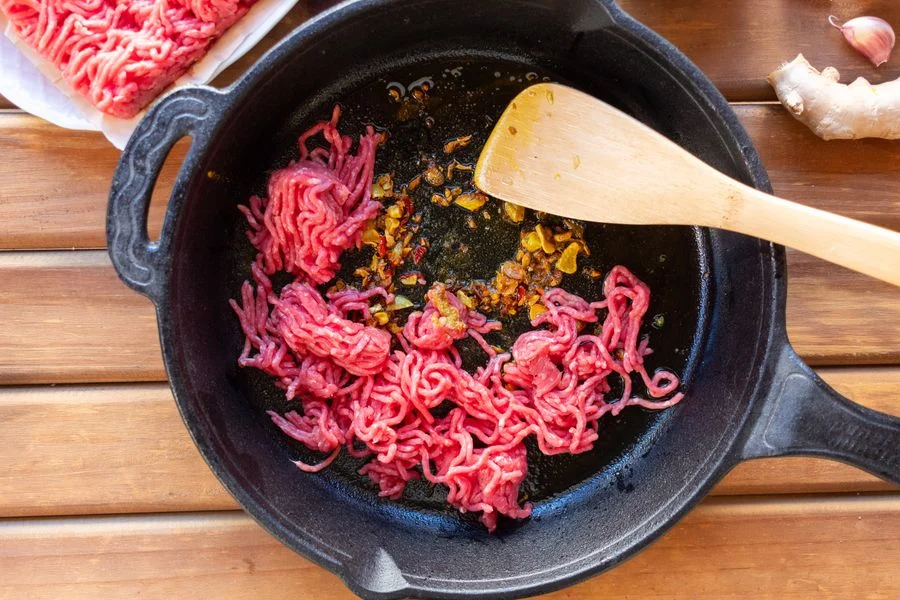
Seasoning can be rebuilt, so a dull or patchy surface is rarely a reason to replace a pan. Rust spots, flaking, and food that sticks in the same place are signals to reseason. Scrub the pan down to bare iron if needed, dry it fully, and apply thin oil coats in the oven following the manufacturer instructions for oven safe temperatures.
Replace the pan when the cooking surface is deeply pitted, the pan is warped so it rocks on the cooktop, or a crack has formed. Enameled cast iron is different: chips in the enamel expose the iron underneath and cannot be repaired at home. Contact the manufacturer for warranty options, and follow their care instructions for cleaning and heating limits. For any repair beyond basic cleaning and seasoning, contact the manufacturer or an authorized service center.
Frequently Asked Questions
Can I use soap on a cast iron skillet?
Yes, a small amount of mild dish soap is fine for modern seasoned cast iron. The old advice to never use soap comes from an era of harsher detergents. Scrub gently, rinse well, dry completely, and apply a thin oil coat.
How do I stop my cast iron skillet from rusting?
Rust comes from moisture left on the iron. Dry the pan completely after every wash, including a few minutes on low stovetop heat. Then rub a thin layer of neutral oil over the cooking surface and store the pan in a dry spot.
Can I put my cast iron skillet in the dishwasher?
Most bare cast iron is not dishwasher safe because the long wet cycle promotes rust. Check the manufacturer listing or manual for your specific pan. Enameled cast iron may have different rules, so confirm before washing.
How do I clean a rusty cast iron skillet?
Scrub the rust off with coarse salt or fine steel wool, then wash and dry the pan completely. Reapply thin oil coats and heat the pan following the manufacturer instructions to rebuild the seasoning. Deep pitting or cracks are reasons to replace the pan instead.
Final Thoughts
Cleaning cast iron is mostly about avoiding water and heat shocks. Scrape, wash gently if needed, dry on the stovetop, and oil lightly. That routine keeps the seasoning intact and the pan ready for the next meal.
If you are comparing pans or cooking on a glass top range, check the manufacturer care instructions first. A little attention at the sink goes a long way toward a skillet that lasts for years.