French Press vs Pour Over: Which Brewing Method Is Right for You?

French press and pour over are two of the most popular manual brewing methods, and the main difference comes down to how the coffee grounds contact water. French press uses full immersion and a metal mesh filter, while pour over relies on gravity and a paper filter. That single design choice shapes everything from body and clarity to cleanup and the gear you need.
I based this guide on manufacturer specifications, care instructions, and published guidance such as USDA food safety recommendations. I will walk through the key differences so you can pick the method that fits your morning routine, your taste preferences, and your counter space.
French Press vs Pour Over at a Glance
The table below summarizes how the two methods compare across the criteria that matter most to home brewers. Keep in mind that specific product limits, such as capacity and dishwasher safety, always come from the manufacturer listing or manual.
| Criterion | French Press | Pour Over |
|---|---|---|
| Brewing action | Full immersion; grounds steep in water | Gravity filtration; water passes through a bed of grounds |
| Filter type | Metal mesh or nylon filter | Paper filter (often bleached or unbleached) |
| Cup profile | Fuller body, heavier mouthfeel, more oils and sediment | Cleaner, brighter cup with more clarity and separation of flavors |
| Control over extraction | Limited; mainly steeping time and grind size | High; pour rate, water temperature, and pattern all matter |
| Time and attention | Mostly hands off during a 4 minute steep | Requires active pouring in stages over 2 to 4 minutes |
| Cleanup | Dump grounds, rinse mesh filter, wash carafe | Discard paper filter and grounds, rinse dripper |
| Durability and gear | Glass carafes can break; insulated models are more rugged | Drippers are simple; glass or ceramic cones can chip |
| Best for | Rich, bold coffee and low fuss brewing | Nuanced, tea like cups and hands on brewers |
Key Differences Between French Press and Pour Over
The biggest difference you will taste is texture. A French press lets coffee oils and fine particles pass through the mesh, so the cup feels heavier and rounder. A pour over paper filter traps most of those oils and fines, which produces a lighter body and a cleaner finish. If you love a bold, almost chewy cup, the French press has the edge. If you want to taste the delicate fruit or floral notes in a light roast, pour over usually shows them more clearly.
Pour over gives you more variables to play with. You can adjust the bloom, the pour speed, the water temperature, and the number of pours. That control is great if you enjoy dialing in a recipe, but it also means more chances to make a mistake. French press is more forgiving: you add water, wait, and press. The trade off is that you have fewer levers to pull if the cup tastes off. For most home cooks, the French press is easier to get consistent results from on the first try.
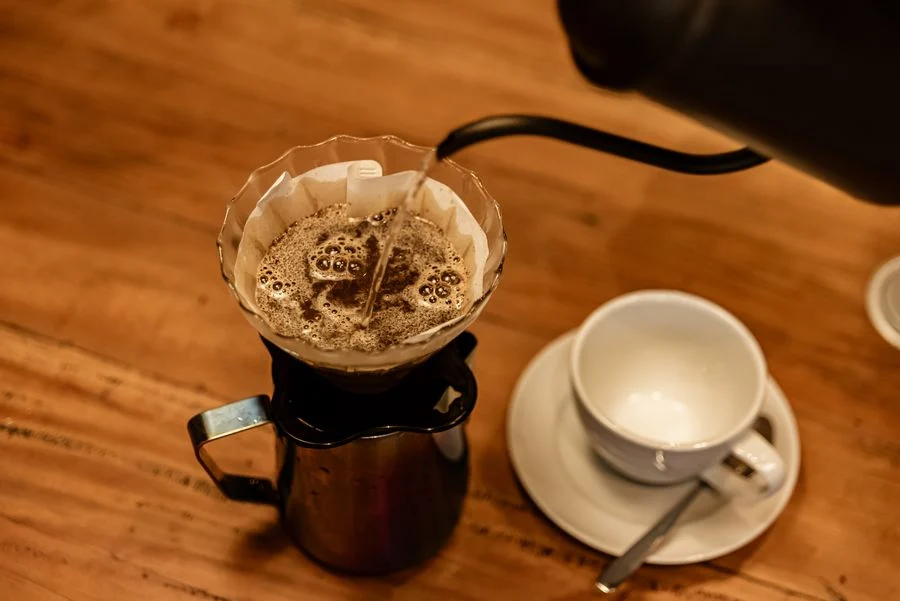
French press calls for a coarse grind, similar to coarse sea salt. If the grind is too fine, the mesh filter clogs and sediment slips into the cup. Pour over typically uses a medium to medium fine grind, closer to table salt, though the exact size depends on the dripper. You will want a burr grinder for either method, because blade grinders produce uneven particles that extract at different rates. For pour over, a gooseneck kettle helps with controlled pouring, while a French press only needs a kettle and a spoon for stirring.
A French press fits busy mornings because you can walk away during the steep. Pour over is more of a ritual: you bloom the grounds, then pour in stages while watching the water level. Neither method is slow in absolute terms, but pour over asks for your attention in a way the French press does not. If you like a quiet, hands on process, pour over can be enjoyable. If you want coffee while you make breakfast, the French press is the lower maintenance choice.
French press cleanup means dumping wet grounds, which can be messy, and rinsing the mesh filter so oils do not build up. Some models are dishwasher safe and some are not, so check the manufacturer listing. Pour over cleanup is often quicker: you lift out the paper filter with the grounds inside and toss it, then rinse the dripper. Paper filters are a ongoing supply, while a metal French press filter is reusable. Either way, follow the care instructions for your specific model.
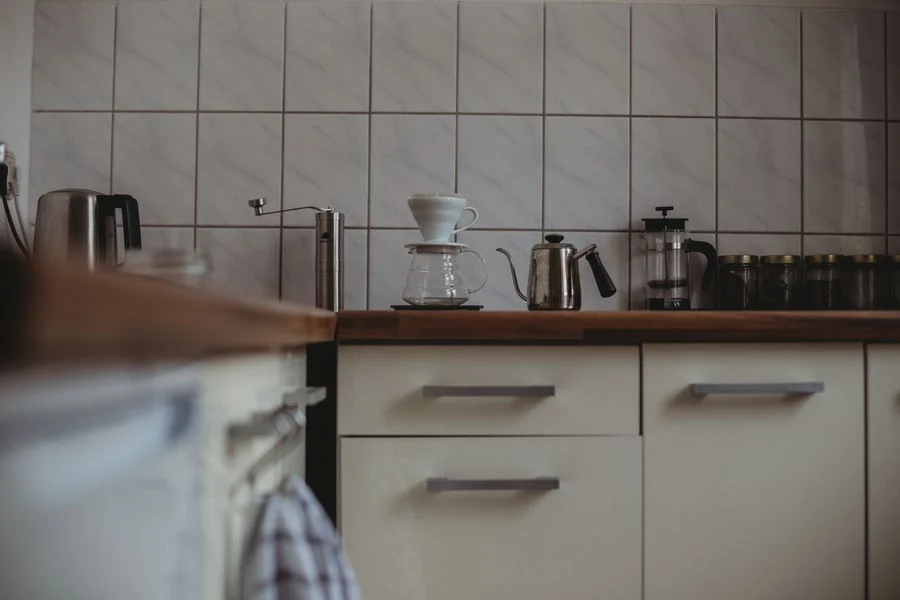
A classic glass French press takes up moderate counter space and can break if knocked against a hard surface. Insulated stainless steel models are more rugged and keep coffee warm longer. Pour over setups vary widely: a small plastic dripper takes little room, while a ceramic cone and server set needs more. If you have limited counter space or a household with clumsy hands, a compact dripper or an insulated French press may be the better choice. For more options, see my roundup of insulated French Press coffee makers.
A basic French press and a basic pour over dripper are both modest purchases, but the ongoing costs differ. Pour over requires paper filters, and some brewers prefer a gooseneck kettle and a scale. French press needs no filters, but a coarse grind can be harder to achieve without a good grinder. Instead of focusing on price, think about which trade off you prefer: recurring filter costs and more active pouring, or a reusable mesh filter and a more hands off steep.
Common Mistakes to Avoid with Either Method
The most common mistakes with French press are using a grind that is too fine, pressing the plunger too hard, and letting the coffee sit in the carafe after brewing. Fine grounds clog the mesh and make the cup muddy, and coffee left on the grounds keeps extracting and turns bitter. For pour over, the usual problems are an uneven pour, water that is too hot, and skipping the bloom. A gooseneck kettle and a simple bloom stirrer can help with the first two issues.
If you are new to pour over, my roundup of pour over coffee makers for beginners covers starter setups that are easy to control. For those who want more precision, my roundup of coffee bloom stirrers for pour over can help you agitate the bed evenly. Safety note: always unplug electric kettles before cleaning, keep water away from electrical outlets, and never fill a French press carafe past the maximum line marked by the manufacturer. Hot water and glass carafes can scald, so handle them with care and follow the manual for product specific limits.
Which One Should You Choose?
I based this guide on manufacturer specifications, care instructions, and published guidance such as USDA food safety recommendations. Neither method is inherently better; the right choice depends on the cup you enjoy and the routine you keep. Use the lists below to match the method to your habits.
- You prefer a full bodied, rich cup with more oils and texture.
- You want a hands off brew you can leave during the steep.
- You do not want to buy paper filters on a regular basis.
- You have a burr grinder that can produce a consistent coarse grind.
- You like the option of an insulated model that keeps coffee warm.
- You enjoy clean, bright cups where delicate flavors stand out.
- You like an active brewing ritual with control over pour and timing.
- You want to avoid sediment in the cup.
- You are willing to buy paper filters and perhaps a gooseneck kettle.
- You have a small counter and want a compact dripper setup.
Who can skip each? If you drink coffee mostly for caffeine and do not care about nuance, either method works, so pick the one with the cleanup you dislike least. If you regularly make coffee for a crowd, check the manufacturer listed capacity on any model before buying. If you want a premium setup with more control, my roundup of premium pour over coffee setups for home baristas is a natural next step.
Frequently Asked Questions
Does French press coffee have more caffeine than pour over?
Caffeine depends mostly on the coffee to water ratio, the grind, and the steep time, not on the brewing method alone. A French press steep can extract a lot of caffeine because the grounds stay in contact with water the whole time. Pour over can also produce a strong cup if you use enough coffee. Compare the ratios you actually use rather than assuming one method is stronger.
Can I use the same grind for French press and pour over?
No, the two methods call for different grind sizes. French press needs a coarse grind so the mesh filter does not clog, while pour over usually uses a medium to medium fine grind. If you use a pour over grind in a French press, you will likely get a muddy cup and a slow plunge. If you use a coarse grind in a pour over, the water may pass through too quickly and taste weak.
Which method is easier to clean?
Pour over is often quicker to clean because you lift out the paper filter with the grounds inside and rinse the dripper. French press cleanup involves dumping wet grounds and rinsing the mesh filter so oils do not build up. Check the manufacturer listing for dishwasher safety before washing either type. Following the care instructions will keep both methods working well.
Do I need a gooseneck kettle for pour over?
A gooseneck kettle is not required, but it helps with a slow, controlled pour. A standard kettle can work if you pour carefully, though the stream is harder to direct. For beginners, a gooseneck kettle plus a simple dripper is a practical combination. Always follow the kettle manufacturer instructions for safe use and cleaning.
Final Thoughts
French press and pour over both make excellent coffee, but they reward different priorities. French press gives you a heavier, more forgiving cup with less active work. Pour over gives you clarity and control if you are willing to pay attention to the pour.
Pick the method that matches your taste and your morning. If you want bold and simple, go with a French press. If you want bright and hands on, go with pour over. Either way, use a burr grinder, follow the manufacturer manual, and adjust one variable at a time until the cup tastes right to you.